Beverage co-packing in Florida. You bring the formula. We run it.
Sunshine Bottling cans and bottles non-alcoholic beverages in Miami. Carbonated and still, in aluminum cans and glass, with tunnel pasteurization, flash pasteurization or none at all.
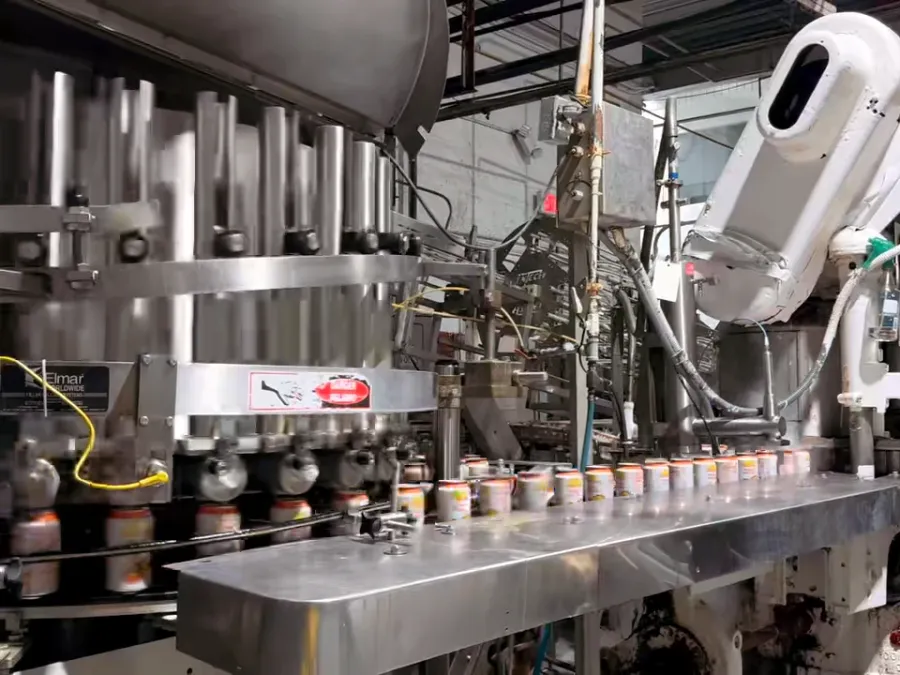
We're our own biggest customer
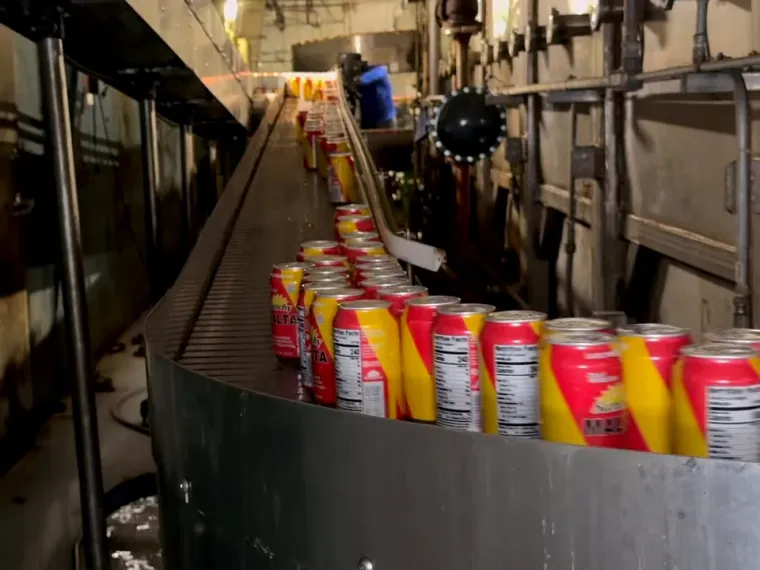
Everything below runs on the same lines that make Ironbeer, Sunchy and Lanio. We know what a beverage does on our equipment because we've spent decades filling our own.
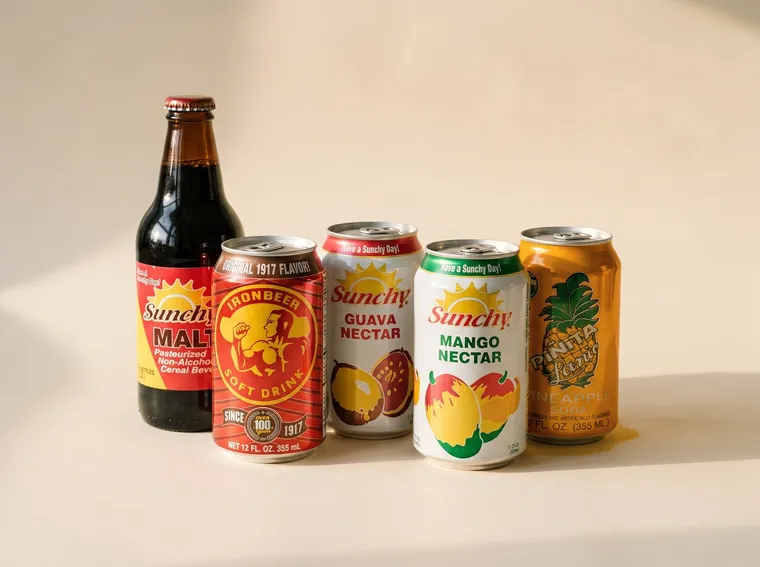
Three brands, dozens of flavors, in cans and glass, shipped around the country and exported through Miami. The plant that does that is the plant that would run yours.
Four ways to fill a package
Which one your product needs depends on what's in it. Natural ingredients, live cultures and functional additives each behave differently under heat.
Sodas and sparkling beverages, filled cold and carbonated to your specification. Available in every format we run.
The sealed package travels through the tunnel. This is what lets a drink made with real fruit or other ingredients remain shelf stable.
Shorter heat exposure before filling, for still products whose ingredients won't survive a longer cycle.
For carbonated products that need no heat step. The shortest path from your formula to a sealed package.
A year at room temperature
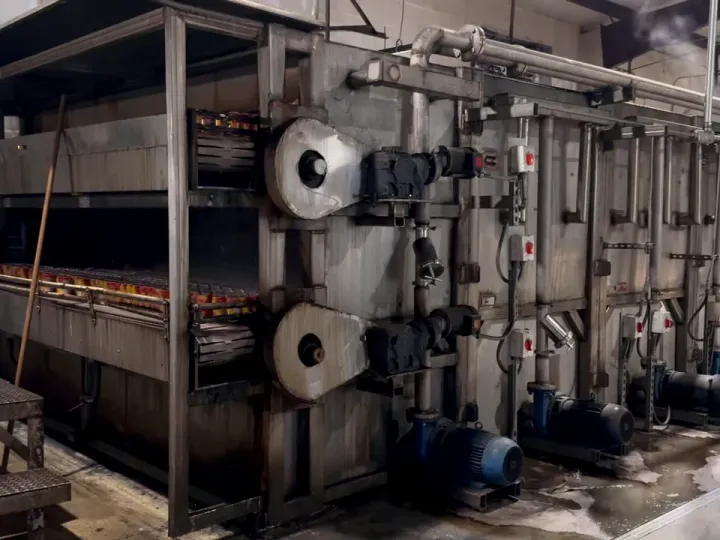
Pasteurizing a drink after its package is sealed is what makes it shelf stable. Filled cans and bottles ride slowly through a tunnel, where sprays of hot water bring them up to temperature. They are held there long enough to kill whatever would spoil the drink, then cooled back down just as slowly. The slow part matters, because glass moved through heat too quickly will break.
Since the package is already closed, nothing can get back into it. A drink treated this way keeps for about a year on a dry shelf. The same drink without it has to stay cold, and it sells in three or four months.
This matters most for drinks made with real fruit or malt, which spoil faster than a plain soda. Our tunnel holds 700 cases per pass. That is why we can take on the maltas and nectars most plants our size turn down, and why very few places in the southeast run one at all.
Cans and glass
Five packages, with the case and pallet math you need for a landed-cost model.
| Sizes | 7.5 oz sleek · 12 oz sleek · 12 oz standard |
|---|---|
| Can end | 202 |
| Case pack | 24 units |
| Pallet | 100 cases · 2,400 units |
| Secondary packaging | Plastic six-pack ring carrier, optional |
| Beverage type | Carbonated and still |
| Sizes | 7 oz · 12 oz heritage |
|---|---|
| Finish | Twist-off |
| Case pack | Four six-pack cartons · 24 bottles |
| Secondary packaging | Six-pack paperboard cartons |
| Pallet | 7 oz: 117 cases · 12 oz heritage: 80 cases |
| Beverage type | Carbonated only |
Smallest run we'll schedule
By package, in cases. Published so you can work out whether a run makes sense before either of us spends time on it.
Sleek can2,200Cases
Sleek can2,000Cases
Standard can2,000Cases
Glass bottle2,340Cases
Heritage glass1,600Cases
How fast you can be in production
Almost all of it comes down to whether your materials are in hand. The filling itself is the short part.
Formula validated, artwork approved, cans or bottles in hand. At that point it's purely a question of fitting you into the schedule.
If you still need printed cans, or glass with labels and carriers, that lead time sets the date. Artwork approval usually holds it up.
If you have a formula but no packaging, or you're deciding between formats, call. That conversation takes ten minutes and saves weeks.
Production schedule generally books about three weeks out
What you bring
- A beverage formula validated for commercial production
- Ingredient specifications
- Your finished ingredient inventory
- Approved label artwork
- Packaging materials — cans or bottles, labels, carriers
- Any regulatory approvals your product requires
What we handle
- Scheduling your run on the line
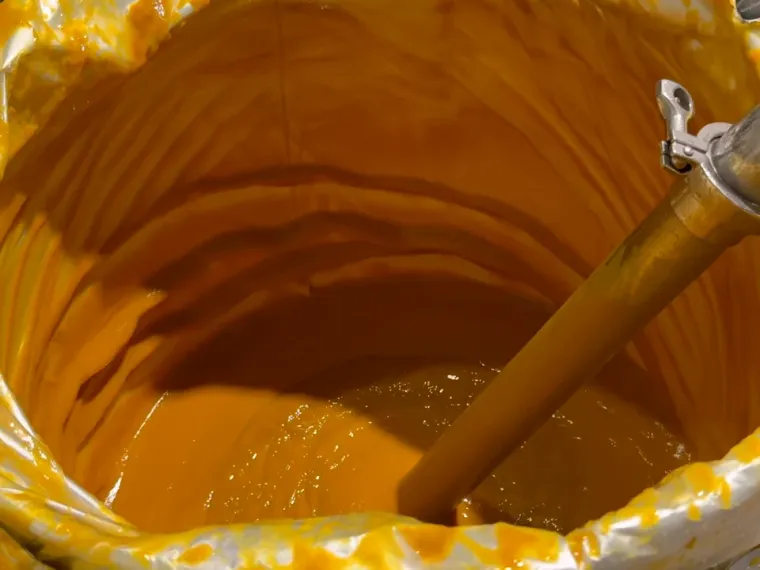
- Batching and processing to your specification
- Filling, seaming or capping, and coding
- Pasteurization, where your product calls for it
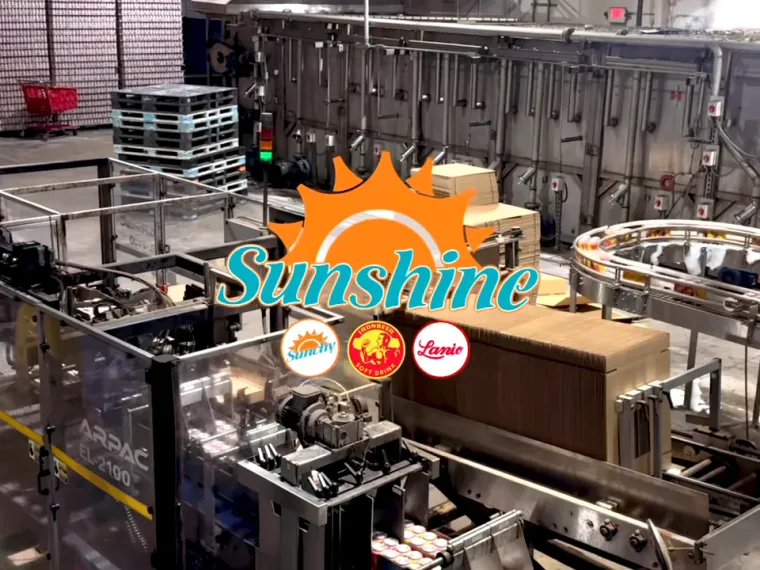
- Case packing, cartoning and palletizing
- Quality checks and traceability across the run
Doral, Florida
What we don't run
Faster for everyone if you know this before you write.
We don't fill PET in any size. If you came here for a plastic bottle, ask about glass anyway — for a carbonated product the 12 oz heritage bottle is often the better package.
Everything we run is non-alcoholic. Dairy needs a homogenizer, which isn't equipment we have.
We don't build recipes, and we'd rather say so than waste your time. We'll refer you to people who do, and we'll be here when your formula is finished.
How the plant is regulated
We are an FDA registered and monitored facility.
We are also inspected and monitored by the Florida Department of Agriculture and Consumer Services.
Ingredient verification, processing compliance, fill accuracy, packaging integrity, traceability and finished-product checks.
The drink we make started in Havana in 1917
A mule-drawn wagon delivered the first four cases of Ironbeer to a cafeteria in Havana, Cuba. It went on to be called the national beverage, and Sunshine Bottling makes it in Miami today.

Tell us what you're making
Answer what you can. The more of it you know, the faster we can tell you whether we're the right plant and what your run would look like.